
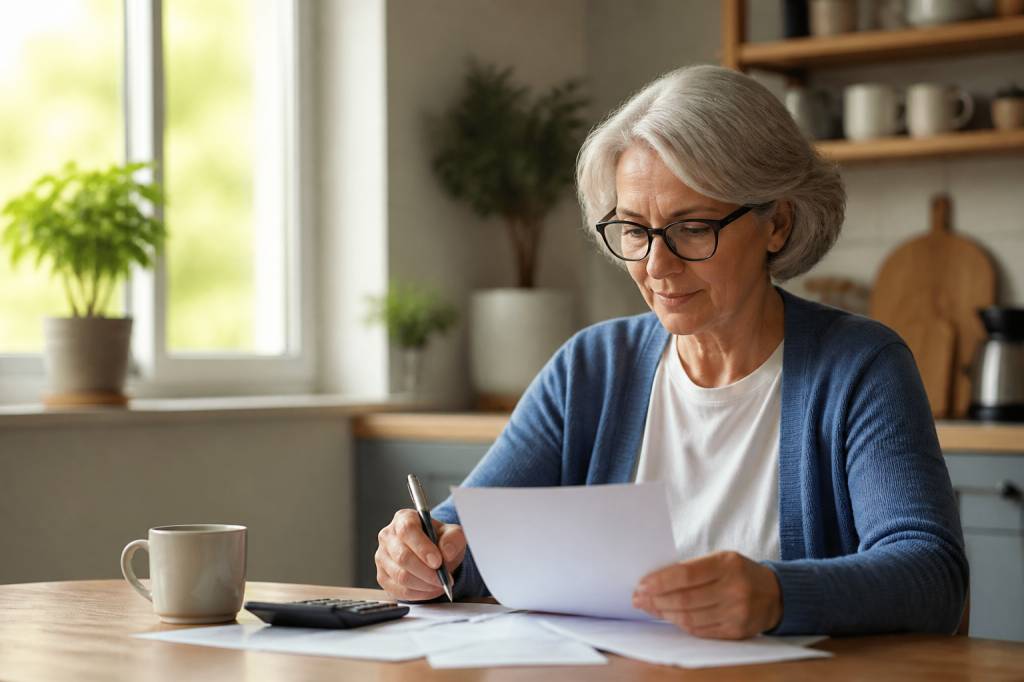
Planning a comfortable retirement income in the UK can feel a little like packing for a long journey. You want enough in the suitcase for the unexpected, enough comfort for the days you already know will come, and just enough freedom to enjoy the scenery along the way. For a single person, the task has a particular shape. There is no partner’s income to lean on, no second pension pot to balance the books, and every decision tends to carry a little more weight.
And yet, there is something quietly reassuring about planning on your own. You know your habits. You know what brings you comfort. You know whether your perfect afternoon is a warm café, a walk by the sea, or a good book beside the fire. A good retirement plan does not ask you to become someone else. It simply helps you protect the life you already value.
What does a comfortable retirement really mean?
Before talking about figures, it helps to ask a more personal question: what does “comfortable” mean to you? For one person, it may mean paying the bills without worry and enjoying the occasional meal out. For another, it may include travel, hobbies, helping grandchildren, or keeping a car on the road.
In practical terms, comfort usually means covering essentials with ease and having enough left for small pleasures, unexpected costs, and a little breathing room. That breathing room matters. It is what keeps a retirement from feeling fragile. Many people find that the real measure of success is not luxury, but peace of mind.
A useful rule of thumb is to think in three layers:
-
Essentials: housing, food, utilities, council tax, transport, insurance, healthcare costs, and basic household needs.
-
Useful extras: leisure, clothing, gifts, subscriptions, occasional eating out, and home maintenance.
-
Flexibility: savings for repairs, emergencies, or a holiday now and then.
When these three layers are covered, retirement tends to feel less like a tightrope and more like a well-worn path.
The UK state pension: the foundation, not the whole house
For most people in the UK, the state pension is the starting point. In 2025, the full new state pension is around £11,500 per year, though your actual amount depends on your National Insurance record. It is a helpful base, but for many single retirees, it will not cover everything on its own.
That is not a reason for alarm. It simply means the state pension should be seen as the foundation, not the whole house. If your retirement income is to feel comfortable, you will probably need to add workplace pensions, private pensions, savings, or other sources of income.
If you have not yet checked your forecast, it is worth doing so. A pension forecast gives you a clearer picture of what you are likely to receive and whether you may benefit from making voluntary National Insurance contributions. Sometimes a few careful decisions made earlier can improve the picture later on. As with a sturdy pair of shoes, small details matter more than they first appear.
How much income might a single person need?
This is the question most people really want answered. The honest response is that there is no single magic number. Your needs depend on where you live, whether you rent or own, your health, your travel habits, and the kind of life you want to lead.
That said, retirement researchers and pension specialists in the UK often talk about three broad lifestyle levels: minimum, moderate, and comfortable. For a single person, a comfortable retirement can require a fairly solid income, especially if housing costs are high or if you want to travel.
As a rough guide, a comfortable lifestyle for one person may require a retirement income in the region of £25,000 to £35,000 a year, sometimes more in higher-cost areas like London or the South East. This would usually allow for a pleasant standard of living, regular leisure activities, some travel, and room for the occasional surprise.
If you own your home outright, the target may be lower. If you rent, or if you still have a mortgage, it may need to be higher. A pension pot that feels generous to one person may feel stretched to another. The important thing is to measure against your own life, not someone else’s.
Start with a simple retirement budget
It is surprising how many people prepare for retirement without ever writing down a real budget. Yet a budget can bring immediate calm. It turns vague anxiety into manageable numbers.
Take a look at your current monthly spending and sort it into categories. Then ask yourself what will change in retirement. Work-related costs may fall, but some expenses may rise. For example, you may spend less on commuting and lunches, but more on heating, hobbies, or health-related costs.
A practical retirement budget might include:
-
Housing costs, including rent, mortgage, service charges, or maintenance
-
Council tax and utility bills
-
Food and household shopping
-
Transport, fuel, car servicing, or public transport
-
Insurance and subscriptions
-
Healthcare and prescriptions
-
Clothing, gifts, and personal spending
-
Leisure, travel, and treats
-
Emergency savings or a repair fund
When I was younger, I knew a neighbour who kept his finances in a biscuit tin. He claimed it was “old-fashioned but honest.” The truth is, many people still do something similar in spirit: they keep a vague sense of their spending and hope the numbers behave themselves. In retirement, hope is not a strategy. A clear budget is kinder, and far more useful.
Build income from more than one source
A secure retirement income often comes from several streams, not just one. This matters even more for a single person, because there is no shared household income to absorb shocks.
Common sources of retirement income in the UK include:
-
State pension
-
Defined contribution pension pots
-
Defined benefit pensions
-
Savings and investments
-
Rental income
-
Annuities
-
Part-time work or self-employment
If you have a workplace pension, it is worth understanding exactly how it works. Some people prefer drawdown, where money stays invested and you withdraw it gradually. Others value the certainty of an annuity, which provides regular income for life. Each approach has strengths. The right choice depends on your need for security, flexibility, and the amount of risk you are comfortable taking.
For many single retirees, a blend of approaches works best. A secure base from the state pension and a defined benefit pension, if you have one, can be complemented by flexible withdrawals from savings or pension pots. That combination can help you enjoy life now while protecting against the years ahead.
Don’t underestimate housing costs
Housing is often the biggest factor in retirement affordability. For some single people, being mortgage-free transforms retirement from uncertain to comfortable. For others, rent remains a major monthly pressure.
If you own your home, remember that “no mortgage” does not mean “no housing costs.” Roof repairs, boiler replacements, decorating, insurance, and general upkeep all add up. A garden may be a joy, but it can also be a small kingdom that demands regular attention and a budget of its own.
If you rent, think carefully about future rent increases and tenancy security. It may be wise to build a larger financial buffer or explore whether your housing situation is sustainable in the long term. If you are considering downsizing, look beyond the sale price and compare real costs: legal fees, moving costs, stamp duty if applicable, service charges, and the practical disruption of moving home.
Sometimes a smaller home can free up cash and reduce pressure. Sometimes it brings fresh costs and more upheaval than expected. The answer depends on your circumstances, but it is worth weighing the full picture, not just the headline figure.
Plan for the ordinary surprises
The biggest shocks in retirement are often not dramatic. They are ordinary things that arrive at the wrong time: a new boiler, dental work, a broken fridge, a higher energy bill, or a train fare that seems to have developed a sense of humour.
That is why an emergency fund matters. Even a modest reserve can prevent a temporary problem from becoming a long-term worry. Many financial planners suggest keeping three to six months of essential spending available in accessible savings, though the right amount depends on your comfort level and income stability.
For a single person, this buffer can be especially valuable. There is comfort in knowing that a setback does not have to become a crisis. Retirement should not feel like walking on eggshells.
Think carefully about tax and benefits
Tax planning is not the most glamorous part of retirement, but it is quietly powerful. The way you draw money from pensions, savings, and investments can affect how much you keep. A little planning may protect more income than you expect.
It is also worth checking whether you are entitled to benefits such as Pension Credit, Council Tax Support, or help with heating costs. Many people do not claim what they are entitled to, often because they assume they will not qualify. In retirement, assumptions can be expensive.
If your income is modest, benefits can make a meaningful difference to your quality of life. Even if you think you are above the threshold, it can still be worth checking from time to time, especially if your circumstances change.
Look after the person behind the numbers
Money matters, of course. But a comfortable retirement is not built on numbers alone. It is built on habits, rhythm, and the quiet things that keep life feeling alive.
Many single retirees find real value in routines that support wellbeing: a weekly walk, a club, a call with friends, a local class, volunteering, or regular time outdoors. These activities do not always cost much, but they enrich life in ways that spreadsheets cannot measure.
One of the hidden advantages of planning ahead is that it gives you permission to spend with confidence. When your budget is clear, you can enjoy the coffee, the museum trip, or the small holiday without that familiar little knot of guilt. And surely that is part of comfort too?
Practical steps to take now
If retirement is on the horizon, or if you simply want to strengthen your position, there are a few sensible steps you can take today.
-
Check your state pension forecast.
-
Find all your pension pots and gather key details in one place.
-
Create a retirement budget based on real spending, not guesswork.
-
Build an emergency fund for unexpected costs.
-
Review whether your housing situation is sustainable.
-
Consider how you will draw income from pensions and savings.
-
Check if you may be eligible for benefits or support.
-
Review your plans every year, not just once.
None of these steps need to be done in a rush. In fact, slow and steady is often the better path. Retirement planning is not a race. It is more like tending a garden: regular attention, a bit of patience, and a willingness to adjust when the seasons change.
A final thought for the road ahead
For a single person, building a comfortable retirement income in the UK is not about chasing perfection. It is about creating enough certainty to enjoy life without constant financial strain. That may mean combining pension income, savings, careful spending, and a realistic view of what comfort truly looks like.
The good news is that planning ahead does more than improve your finances. It gives shape to the years to come. It helps you choose with intention rather than react with worry. And in later life, that kind of freedom is worth its weight in gold, even if the gold itself is tucked away in a pension statement.
If you take one thing from all this, let it be this: start where you are, work with what you have, and make the numbers serve the life you want. Retirement, after all, is not simply a matter of income. It is the art of living well with the time you have earned.