
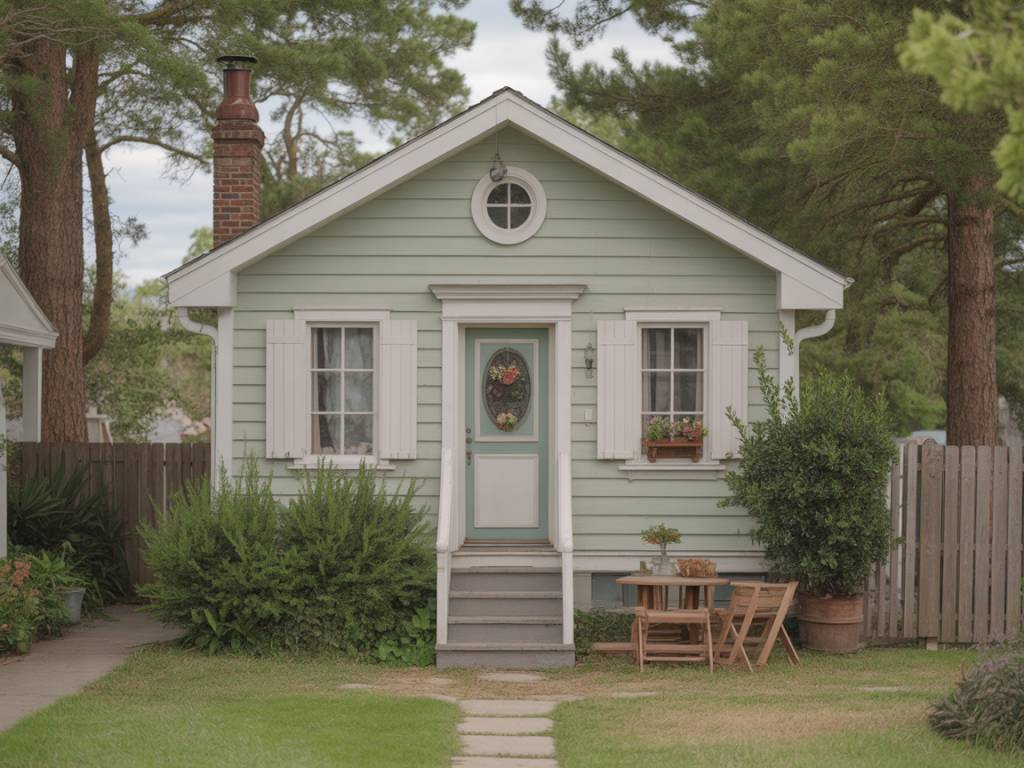
Retirement often arrives with a mix of freedom and questions. One of the biggest: “Do I still need all this space and all this stuff?” Downsizing is not just about moving into a smaller home; it’s about reshaping your lifestyle so that your living space, your finances, and your energy are aligned with how you actually want to live in the years ahead.
For many seniors, a thoughtfully planned downsizing process can free up cash, reduce stress, and make daily life safer and easier. It can also unlock resources for travel, hobbies, healthcare, or simply a more comfortable financial cushion.
Why Downsizing in Retirement Is Worth Considering
Before looking at the “how,” it’s helpful to clarify the “why.” Downsizing is a deeply personal decision, but several recurring benefits come up among retirees who have done it successfully.
1. Lower monthly costs
A smaller home usually means a smaller mortgage or no mortgage at all, reduced property taxes, lower utility bills, and fewer maintenance expenses. That money can be redirected toward experiences, savings, or health-related needs.
2. Less physical and mental clutter
Large homes often accumulate decades of possessions: furniture that’s rarely used, boxes in the attic, and wardrobes full of clothes that no longer fit your lifestyle. Letting go of excess belongings can bring a sense of mental clarity and control.
3. A safer, more accessible living environment
Downsizing gives you the chance to choose a home that matches your current and future mobility needs. One-level living, wider hallways, walk-in showers, and step-free entrances can dramatically reduce fall risks and support aging in place.
4. More freedom to live the way you want
With less house to manage, you free up time and energy. That might mean more travel, more time with grandchildren, or finally starting that art class or volunteer role you’ve been thinking about for years.
Clarifying Your Goals Before You Start
Downsizing works best when you begin with clear goals. Ask yourself and your partner, if you have one, some key questions:
- What do I want my typical week in retirement to look like?
- How important is it to stay in my current neighborhood or city?
- Do I want to be closer to family, healthcare, or specific services?
- What are my biggest worries about the future: money, health, isolation, home maintenance?
- How long do I realistically want to continue managing a large property?
Write these thoughts down. They will guide decisions about where to live, what kind of home to choose, and what to keep or sell.
Assessing Your Current Home and Finances
Before you decide what comes next, you need a clear picture of where you stand now—both in your property and in your budget.
Evaluate your home:
- Number of rooms you actually use regularly (bedrooms, bathrooms, living spaces).
- Maintenance projects you’ve been putting off (roof, windows, HVAC, accessibility modifications).
- Stairs, narrow doorways, and other potential mobility challenges.
- Proximity to grocery stores, pharmacies, healthcare providers, and public transport.
Evaluate your finances:
- Current mortgage balance, if any, and your home’s estimated market value.
- Monthly costs (utilities, property tax, insurance, HOA fees, lawn care, cleaning, repairs).
- Savings, pensions, social security, and other income sources.
- Expected healthcare costs and long-term care considerations.
It can be helpful to speak with a financial planner who understands retirement planning. They can model how selling your home, renting, or buying something smaller will affect your long-term security.
Choosing Where and How You Want to Live
Downsizing is not just “moving to a smaller place.” It is choosing the environment that will support you best in the next chapter of your life.
Common options include:
- Smaller single-family home: Familiar lifestyle with fewer rooms and less yard. Ideal if you still enjoy independent living but want to reduce work and expenses.
- Condo or townhouse: Often less maintenance, sometimes with amenities such as security, elevators, fitness rooms, or pools. Monthly condo fees are a key factor to consider.
- 55+ or active adult community: Designed for seniors, often with social activities, clubs, and built-in support networks. Great if you want more community and fewer families with young children around.
- Independent or assisted living community: Provides additional support, such as meals, housekeeping, or medical oversight, depending on the level you choose.
- Renting instead of owning: Frees up home equity and removes responsibilities like major repairs and property taxes. You gain flexibility, which can be helpful if your health or family situation changes.
When visiting potential homes, pay attention not just to square footage, but to layout, lighting, noise levels, and ease of movement. A smaller, well-designed space can feel much more comfortable than a larger but inconvenient home.
Creating a Step-by-Step Downsizing Plan
Downsizing is far easier when broken into manageable phases. Rushing the process in a moment of crisis (for example, after a fall or a sudden illness) can be emotionally and financially costly. Starting early gives you time and control.
Step 1: Set a realistic timeline
Decide whether you want to downsize within six months, a year, or several years. Even if your move is far in the future, you can begin decluttering now. Many seniors find that 12–24 months is a comfortable window.
Step 2: Start with the easy areas
Begin in spaces with low emotional attachment, such as:
- Linen closets
- Pantries and kitchen drawers
- Garage shelves and utility closets
These areas help you build momentum before tackling sentimental items like photos and heirlooms.
Step 3: Use simple sorting categories
As you go, group items into a few clear categories:
- Keep (must-have, regularly used, or deeply meaningful items)
- Donate or gift (items in good condition that others can use)
- Sell (valuable items worth listing online or at a sale)
- Recycle or discard (broken, expired, or unsafe items)
Consider using sturdy storage bins, clear labels, and color-coded stickers to keep the process organized. Basic organizing products—like stackable bins, under-bed storage boxes, or vacuum storage bags—can help you store what you keep more efficiently.
Step 4: Measure your future space
Once you have a target home or at least a good idea of the size, measure rooms, closet space, and key areas. This helps you make concrete decisions:
- Will that large dining set fit?
- How many bookshelves can you realistically keep?
- Is there room for a second sofa, or only chairs?
Some seniors like to sketch a simple floor plan or use free online tools to plan furniture placement. This reduces the risk of moving too many things that you then have to give away anyway.
Step 5: Ask for help where needed
You do not have to do this alone. Support can come from:
- Family members or trusted friends who can help sort and move heavy items.
- Professional organizers, particularly those who specialize in senior downsizing.
- Estate sale companies if you have a large number of items to sell.
- Senior move managers who coordinate logistics from packing to setting up the new home.
Yes, these services cost money, but they can save time, reduce stress, and sometimes increase the value you get from items you sell.
Letting Go of Sentimental Items with Less Stress
The emotional side of downsizing is often harder than the physical work. Objects carry memories, and it can feel like you are discarding parts of your life. There are gentler ways to approach this.
- Prioritize the “best of the best”: Instead of keeping every souvenir or every piece of your children’s artwork, choose a few that truly represent important memories.
- Digitize when possible: Scan photographs and documents, or use a service that digitizes old home movies and slides. Digital photo frames and cloud storage can keep memories accessible without taking up physical space.
- Pass items on with intention: Offer meaningful pieces to children, grandchildren, or close friends. Share the story behind each item so the memory travels with it.
- Create memory boxes: Designate one or two small boxes for your most cherished mementos, rather than keeping entire closets or rooms filled with them.
Remember: you are not erasing your history. You are making room for the next phase of your life, while choosing which pieces of the past you truly want to carry forward.
Using Downsizing to Strengthen Your Financial Freedom
Done thoughtfully, downsizing can be a powerful financial move. The key is to plan how you will use the savings and any equity you free up.
Potential financial benefits include:
- Eliminating or significantly reducing your mortgage payment.
- Lowering property taxes, insurance, utilities, and upkeep.
- Turning home equity into cash that can support retirement spending.
Consider directing some of the freed-up cash toward:
- Building an emergency fund covering 6–12 months of living expenses.
- Paying down remaining debts, such as credit cards or car loans.
- Funding health savings, long-term care insurance, or home care services.
- Creating a “joy fund” for travel, hobbies, and meaningful experiences.
A financial advisor can help you set up a spending and investing plan that protects your long-term security while allowing you to enjoy the benefits of your decisions today.
Making Your New Home Safe, Comfortable, and Future-Proof
Once you have chosen your new home, you have an opportunity to design it around comfort, accessibility, and ease of daily living.
Practical improvements to consider:
- Non-slip flooring or secure rugs to reduce fall risk.
- Grab bars in the shower and near the toilet, plus a sturdy shower chair if needed.
- Bright, layered lighting in hallways, stairways, and kitchens.
- Lever-style door handles and faucets, which are easier on arthritic hands.
- Raised toilet seats and adjustable beds for better comfort and stability.
- Smart-home devices like video doorbells, smart thermostats, or automated lights.
Many of these products are widely available and relatively easy to install. Investing in a few key items early can extend how long you are able to live independently and safely.
Embracing the Emotional Side of a Simpler Life
Downsizing is a major life transition. It is normal to feel a mix of relief, nostalgia, anxiety, and excitement. Give yourself permission to feel all of it.
Many retirees report that, after an adjustment period, they feel lighter and more in control in a smaller, simpler home. With fewer rooms to clean and fewer possessions to manage, their days open up to what truly matters to them—relationships, health, learning, and enjoyment.
If you approach downsizing as a thoughtful, step-by-step process rather than a single event, it can become a powerful way to realign your life with your values. Your home becomes not a museum of everything you have ever owned, but a comfortable, safe, and financially sustainable base for the years ahead.