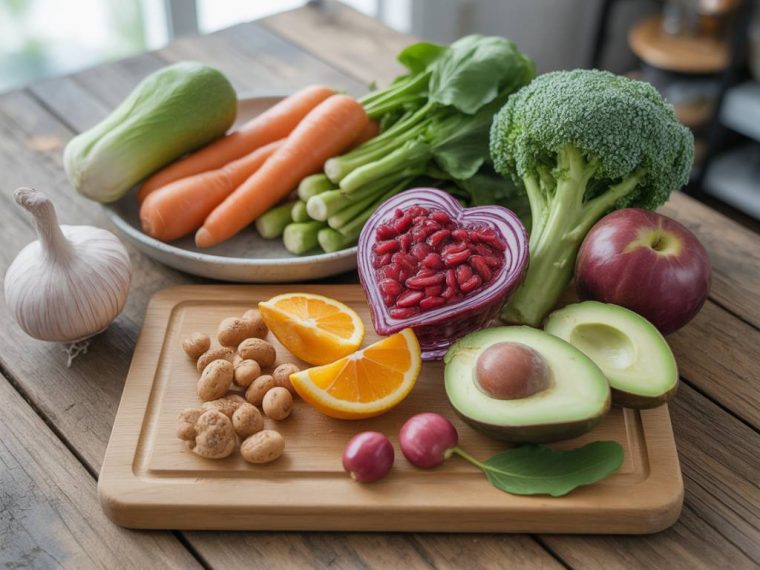
Nourishing the Heart and Mind: A Senior’s Guide to Healthy Eating
As we cross the gentle threshold of retirement, many things become clearer. The value of time. The joy of family. And yes — the quiet but persistent importance of looking after our health, from head to toe, heart to mind. At this stage of life, what we place on our plates carries more weight: it holds the power to energise not only our bodies but nourish the very essence of who we are — memory, mood, and spirit.
Had someone told me in my youth that a bowl of oats could rival a morning’s brisk walk in its benefits, I may have chuckled. Yet here I am, years later, with a humble breakfast bowl I wouldn’t trade for the world. So let us journey, you and I, through the essentials of healthy eating — tailored not just to prolong life, but to enrich its quality with a vibrant heart and a sharp mind.
The Heart and Brain: A Delicate Dance
Our heart and brain are old friends. They rely on each other more than we sometimes realise. The heart pumps life-giving blood to the brain, and the brain, in turn, orchestrates the rhythms of our body. What we feed them can either support or strain this lifelong partnership.
A diet that supports both cognitive function and cardiovascular health tends to revolve around the same core ingredients: healthy fats, leafy greens, whole grains, lean proteins, and the avoidance of processed foods. Let’s unpack these further.
The Magic of Mediterranean Inspiration
The Mediterranean diet isn’t just a trendy term — it’s a philosophy of eating rooted in centuries of wisdom. Based on the traditional cuisines of countries like Greece, Italy and southern France, this approach has repeatedly been linked to reduced risks of heart disease and cognitive decline.
Why does it work so well, particularly for us in our senior years?
- Healthy fats: The cornerstone of the Mediterranean diet isn’t butter or margarine, but olive oil — a monounsaturated fat that helps reduce inflammation and supports heart health.
- Fish rich in omega-3: Think salmon, sardines, or mackerel. These not only lower cholesterol but are gentle allies of our brain cells.
- Colourful vegetables: Tomatoes, spinach, courgettes, red onions — loaded with fibre, vitamins, and antioxidant magic.
- Whole grains: Foods like quinoa, brown rice or whole grain bread provide sustainable energy and help regulate blood sugar — a friend to both heart and brain.
I still recall a trip to the Cyclades islands in my sixties, where lunch was no grand affair — just a plate of grilled fish, a generous drizzle of olive oil, and ripe tomatoes bursting with flavour under the Mediterranean sun. Simplicity, I’ve often found, holds hidden strength.
Foods That Speak Kindly to the Heart
Sometimes, protecting your heart isn’t about strict diets but gentle adjustments. Many of us grew up in an age where meat and potatoes were staples. Nothing wrong with them — in moderation. But adding or replacing certain things can go a long way.
- Choose lean proteins: Turkey, skinless chicken, lentils, and tofu reduce saturated fats and support muscle maintenance as we age.
- Limit sodium: High-sodium foods can increase blood pressure. Try seasoning meals with herbs like rosemary, basil, or turmeric instead.
- Watch cholesterol: Eggs are back on the good list — in moderation. What matters more is reducing trans fats, often hiding within baked goods, crisps, or margarine.
- Snack smart: A handful of unsalted almonds or walnuts can stave off hunger while offering unsaturated fats and natural fibre.
I often carry a small pouch of almonds when heading out for my afternoon walks. A better companion than my old biscuit tin days, I must admit.
Brain-Nourishing Bites
Looking after our minds isn’t just about crosswords and conversations — it’s also about the food we feed it. Our memory, focus, and even our emotions are deeply intertwined with our dietary habits.
- Dark leafy greens: Kale, spinach, broccoli — all rich in vitamin K, lutein, folate and beta carotene. They help slow cognitive decline.
- Berries: Especially blueberries and strawberries. They’re full of flavonoids — natural plant compounds that enhance communication between brain cells.
- Nuts and seeds: Rich in vitamin E, known for reducing cognitive decline risks. Try sunflower seeds or a sprinkle of flaxseed in your porridge.
- Green tea: Contains caffeine and L-theanine, which together promote alertness, focus, and calm energy — no jitters needed.
A dear friend of mine, Margaret, swears by her afternoon ritual: a cup of green tea in one hand and a few slices of apple with almond butter in the other. She’s as sharp-witted at 82 as she was at 52. I’d wager her teatime has something to do with it.
Hydration: The Quiet Cornerstone
It’s easy to overlook water amidst all the food talk, but hydration plays a subtle — and critical — role. As we age, our sense of thirst diminishes, but our need for fluids doesn’t.
Even mild dehydration can affect memory, mood and alertness. Herbal teas, water-rich fruits like watermelon or cucumber, and simply sipping water throughout the day can make a marked difference in how we feel.
Keep a glass by the kettle. Or a carafe on the living room table. It’s the small things that often bring the biggest changes.
Mealtime as a Moment, Not a Chore
There’s also a soul to healthy eating that’s often forgotten. Eating is not just about nutrition — it’s about rhythm, joy, and connection. Perhaps your finest meals weren’t the fanciest, but those shared with laughter, stories, or simply quiet appreciation.
If eating well ever begins to feel daunting, remember: you don’t need to overhaul your entire routine overnight. Start with one small change. Swap butter for olive oil. Choose brown over white bread. Add a handful of spinach to your omelette. Bit by bit, meal by meal, your body — and mind — will thank you.
And if you ever feel the need for companionship in this culinary journey, consider cooking with others, or inviting a neighbour over for lunch. Food, after all, is meant to be shared.
Simple Daily Practices for Lifelong Vitality
To help tie it all together, here are some gentle reminders I keep close to heart — perhaps they’ll find a place on your kitchen fridge too:
- Begin the day with a hearty, high-fibre breakfast: oats, berries, almonds.
- Drink water throughout the day — even if you don’t feel thirsty.
- Include at least one portion of leafy greens with lunch or dinner.
- Choose whole over refined: brown rice, whole grain bread, quinoa.
- Enjoy snacks that offer nourishment: yoghurt with chia seeds, or carrot sticks with hummus.
- Savour mealtimes — don’t rush, chew slowly, and unplug from devices.
There’s a quiet power in paying attention to what nourishes us. Not in a way that strips joy, but in a way that adds to it.
So as you prepare your next meal, take a breath. Let it be an act of kindness to yourself. After all, the journey of healthy eating in our senior years isn’t about restriction — it’s about renewal. A celebration of taste, memory, and vitality in every bite.
As always, I raise my fork to you — in health, in peace, and in gratitude.
Warmly,
Francis