Rediscovering Joy: Hobbies That Nourish the Body and Mind in Our Later Years
There’s something beautifully liberating about reaching a stage in life where time becomes your own again. Less rush, more reflection. And in the calm of this new chapter, hobbies do more than just pass the hours—they enrich them. They keep our minds sharp, our bodies active, and our hearts light. As someone who recently found unexpected delight in whittling wood on rainy afternoons, I can tell you: it’s never too late to rediscover joy.
Gentlemen, whether you’re newly retired or simply seeking a renewed sense of purpose, this is your gentle nudge to explore pastimes that foster both physical and mental wellbeing. Let’s take a look at a few hobbies that not only fill the time, but feed the soul.
Woodworking: More Than Just Craft, It’s Meditation in Motion
There’s an old bench in my shed—the kind that’s collected sawdust like fine snow and holds the stories of dozens of small projects. Woodworking is, at its core, an invitation to slow down. Measuring twice, cutting once, sanding by hand… it demands precision, patience, and presence.
The benefits stretch far beyond the tactile satisfaction of shaping timber. Woodworking engages spatial reasoning, improves hand-eye coordination, and, interestingly, invites a quiet mindfulness. You get lost in the grain of the wood, the hum of the tools, the rhythm of creation. For some, it’s birdhouses or bookends. For others, it’s the simple peace of turning a block of something into something else entirely.
Walking with Purpose: The Gentle Power of Nature Trails
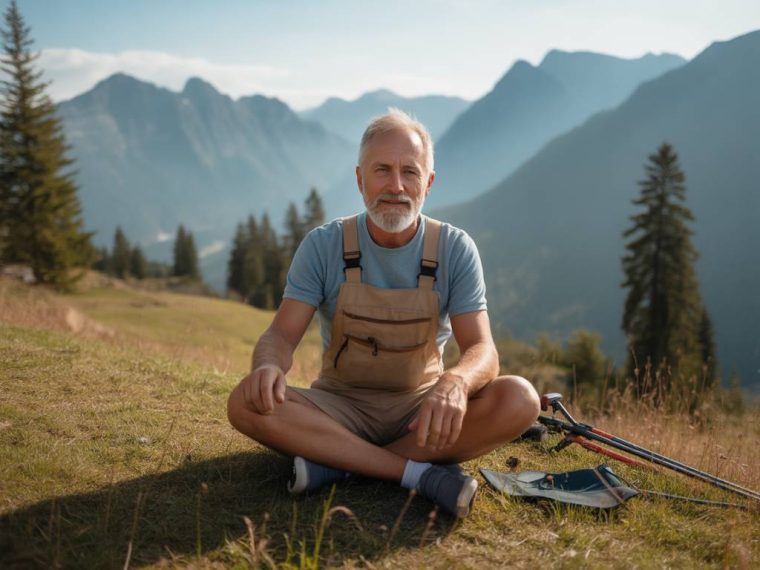
Not all hobbies need four walls and a workbench. Sometimes, the best therapy is found just two steps outside your front door. Walking alone—or better yet, with a friend—is profoundly underrated. And when that walk winds through nature—a nearby park, a forest trail, or a quiet stretch of coastline—it becomes something rejuvenating.
Regular walking supports cardiovascular health, joint flexibility, and bone density. More subtly, it soothes anxiety, supports sleep, and sharpens memory. And let’s not forget the small conversations shared along the way, the birdsong notes you’d forgotten, or the first golden leaf of September crunching beneath your sole. Walking reconnects us—not only to the world, but to ourselves.
Learning an Instrument: Keeping the Brain Tuned
At 68, my friend Alan picked up a guitar for the first time. He struggled with chords at first—his fingers clumsy and slow. But months later, he surprised his granddaughter with a rendition of her favourite song. The look on her face? Yeah, that moment alone made every practice session worth it.
Learning an instrument at any age is a triumph of persistence over hesitation. It challenges memory, coordination, and hearing. More than that, it unlocks creativity and emotional expression. Whether it’s the harmonica, ukulele, or even tapping out familiar tunes on a keyboard, music lifts the spirit and enriches the mind.
Gardening: Digging into Bliss
There’s a quiet nobility in tending a garden. Whether you have a generous green space or a modest collection of pots on a balcony, the act of nurturing plants offers profound rewards. Gardening gets the body moving—digging, lifting, squatting—and reconnects you with the rhythms of the seasons.
Studies frequently link gardening to lower stress levels and better physical health in seniors. But beyond the data, there’s simply something deeply satisfying about watching a tomato ripen or coaxing colour from a patch of marigolds. I’ve often thought that in gardening, we’re not only growing plants—we’re cultivating hope.
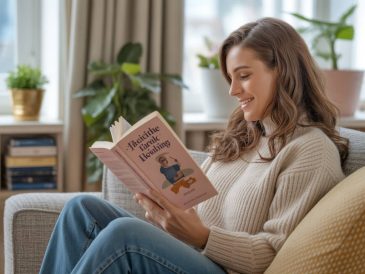
Join a Book Club or Start One: Feed the Mind and Find Companionship
In the stillness of a winter’s evening, few things rival the embrace of a good book. But when shared, that solitary pleasure becomes a doorway to friendship and lively conversation. A book club is more than reading—it’s connecting. It encourages cognitive stimulation, sharpens memory and vocabulary, and fosters community.
I once joined a local book group on a whim. We laughed, debated, disagreed respectfully. And through literature, we explored new ideas—and even new friendships. If you’re unsure where to start, many libraries maintain lists of local clubs, or perhaps you have a few friends who’d be game to gather monthly, each bringing their own recommendations.
Try Tai Chi: A Beautiful Balance of Movement and Mindfulness
The first time I observed a senior Tai Chi group in a local park, I thought they were dancing with the air itself. Every movement was slow, graceful, intentional. I later learned it’s called “meditation in motion”—and the name fits perfectly.
Tai Chi enhances balance, reduces the risk of falls, boosts flexibility, and lowers blood pressure. More subtly, it encourages inner calm and focus. It isn’t about strength or speed, but precision, posture, and flow. Best of all, many communities offer low-cost or free classes outdoors, especially in the warmer months.
Volunteering: Giving Back, Moving Forward
There’s quiet fulfillment in giving without expecting. Volunteering, especially after retirement, isn’t just about keeping busy—it’s about staying connected and purposeful. Whether you read to children at the library, help run a local food bank, coach youth sports, or share your skills with community projects, your time and experience matter immensely.
Research consistently shows that volunteering reduces depression, lowers blood pressure, and creates social bonds that fight isolation. Purpose, after all, is a mighty tonic—and helping others often helps us most of all. What cause speaks to you? Start there.
Genealogy and Family History: Navigating the Branches of Time
Several winters ago, I dusted off a box of old photographs tucked away in the attic. What began as an afternoon of curiosity turned into a months-long journey of rediscovering my roots. I traced faint pencil notes on the back of sepia prints, wrote letters to distant cousins, and unearthed family stories no one had told in years.
Genealogy isn’t just collecting names—it’s finding the stories that shaped your story. It’s intellectually stimulating and emotionally fulfilling. With an abundance of online resources—Ancestry, Findmypast, even local record offices—it’s a rewarding blend of detective work and personal legacy building.
Drawing and Painting: Letting Colour Speak When Words Don’t
Many believe that art is a talent granted to a chosen few. But I’d suggest it’s a practice available to all. Putting brush to canvas or pencil to sketchpad quiets the noise and allows for inward exploration. It’s not about creating a masterpiece—it’s about enjoying the process.
Art has shown to reduce cortisol (the stress hormone), stimulate neural pathways, and enhance focus. And perhaps more importantly, it offers a way to communicate feelings that need no sentences. Whether you join a local class or simply sit by a window with a sketchpad, give yourself permission to create.
Model Building and Puzzles: Focus and Fulfilment in the Details
There’s something wonderfully absorbing about model building or tackling a thousand-piece puzzle. These hobbies invite precision, patience, and deep concentration—qualities that exercise the brain and offer immense satisfaction when completed.
Model planes, ships, railway scenes, or even modern Lego sets for adults—these hobbies are a soothing counterpoint to modern life’s pace. And puzzles? They’re an elegant mental workout, ideal for maintaining memory, pattern recognition, and logical thinking. For quieter days, they offer focus and flow in equal measure.
What Will You Try First?
The golden years are not about slowing down—they’re about leaning into what brings you peace, stimulation, and joy. Whether you take to the trail, return to your sketchbook, or uncover the stories hidden in old boxes, every hobby you embrace becomes a thread in the rich tapestry of your current chapter.
So what’s stopping you, old friend? Dust off your curiosity. Try something new. Or perhaps pick up a passion once set aside. The beauty lies not in perfection, but in the simple act of doing—of being present, interested, alive.
Because each hobby, after all, isn’t just a pastime. It’s a bridge—between who we’ve been and who we still have the pleasure of becoming.