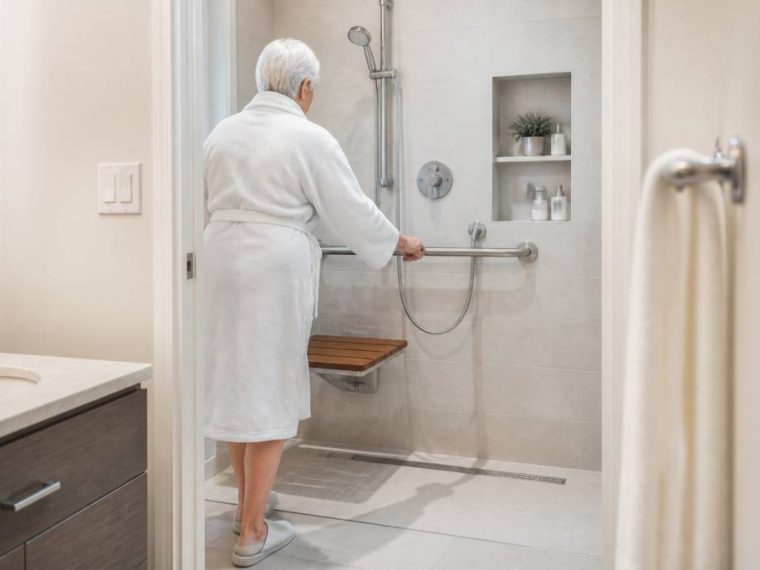
One of the best ways to support healthy aging is to make the home safer, easier to navigate, and more forgiving of small balance or mobility changes. Many older adults want to remain in familiar surroundings for as long as possible, and with thoughtful planning, that goal is often realistic. Aging in place is not about turning a home into a clinical setting. It is about reducing everyday risks, removing barriers, and creating an environment that supports independence, confidence, and comfort.
Falls remain one of the most common threats to older adults living at home, and many of them happen in ordinary moments: stepping out of the shower, carrying laundry, walking through a dim hallway at night, or reaching for an item on a high shelf. The good news is that many of these risks can be reduced with practical changes. Some improvements are simple and inexpensive, while others require a larger investment. Together, they can make a meaningful difference in daily safety.
Start with a room-by-room safety assessment
The first step is to look at the home with fresh eyes. Walk through each room and ask where a stumble, slip, or reach might happen. Pay special attention to transitions, such as entryways, stairs, bathrooms, and narrow hallways. These are the places where falls are most likely to occur.
It can help to imagine how the home feels at night, when vision may be less sharp, or in a hurry, when balance and attention are not at their best. Look for clutter, loose rugs, uneven flooring, poor lighting, and furniture that forces awkward movement. If possible, invite a family member, caregiver, occupational therapist, or trusted friend to help identify hazards that may be easy to overlook.
Consider the resident’s current and future needs as well. A home that is manageable today may become more difficult after surgery, during recovery from illness, or with age-related changes in strength and balance. Planning ahead avoids rushed decisions later.
Improve lighting throughout the home
Good lighting is one of the simplest and most effective fall-prevention strategies. Many accidents happen because older adults cannot clearly see obstacles, changes in floor level, or small objects left in walking paths. Bright, even lighting can reduce these risks significantly.
Focus on entrances, hallways, stairways, bathrooms, and the route from the bedroom to the bathroom. Motion-sensor lights are especially helpful for nighttime trips. Nightlights in hallways, bedrooms, and bathrooms can provide just enough visibility without being harsh. If there are dark corners or shadowy areas, add lamps or brighter bulbs to eliminate contrast and improve depth perception.
It is also important to make sure light switches are easy to find and reach. In some homes, installing switches at both ends of a hallway or stairway makes movement safer and more convenient.
Reduce tripping hazards on floors and walkways
Floor hazards are a major cause of falls, but they are often easy to address. Remove loose cords, clutter, and items that are frequently left on the floor, such as shoes, magazines, or pet toys. Keep pathways wide and clear, especially in rooms where people move often.
Rugs deserve special attention. Small throw rugs can curl, slide, or bunch up underfoot, creating a serious hazard. The safest option is often to remove them entirely. If rugs are kept, they should have non-slip backing and lie completely flat. Avoid thick, loose, or decorative rugs that may shift unexpectedly.
Inspect flooring for uneven surfaces, raised thresholds, or damaged sections. Even a small change in level can catch a foot, especially for someone using a cane or walker. If possible, smooth transitions between rooms and repair loose tiles or torn carpeting.
In homes with pets, try to create predictable paths so bowls, beds, and toys do not become obstacles. Pet safety and human safety can work together when living spaces are organized with clear movement in mind.
Make bathrooms safer
The bathroom is one of the highest-risk areas in the home because it combines slippery surfaces, hard fixtures, and frequent movement in a small space. A few modifications can greatly reduce danger and increase independence.
Install grab bars near the toilet and in the shower or tub. These should be properly anchored into wall studs or installed with professional-grade hardware. Towel bars are not a safe substitute because they are not designed to support body weight.
Non-slip mats or textured strips inside the shower or tub can help prevent slipping. A shower chair or bath bench allows bathing while seated, which can be especially useful for anyone with fatigue, poor balance, or joint pain. A handheld showerhead adds flexibility and makes bathing easier and safer.
Raised toilet seats or comfort-height toilets can reduce strain on the knees and hips, making sitting and standing easier. Keep frequently used toiletries within arm’s reach to avoid bending or stretching. If cabinets are too low or too high, reorganize items so daily essentials are stored at a safe, convenient height.
Because moisture creates additional risk, make sure bathroom floors are kept dry. A bath mat with strong grip can help outside the shower, but it should not slide when stepped on.
Support safer stairs and entryways
Stairs require extra attention because they demand coordination, strength, and good vision. If a home has stairs, make sure there are sturdy handrails on both sides if possible. Handrails should be secure, easy to grip, and continuous along the full length of the staircase.
Improve lighting at the top and bottom of the stairs, and make sure light switches are easy to reach. Mark the edges of steps with high-contrast tape if needed, especially when stair surfaces blend into the surrounding floor.
Keep stairs completely free of clutter. Carrying objects while climbing or descending increases fall risk, so consider using a backpack, basket, or stairlift system if mobility is limited. For those who struggle with stairs, installing a ramp or exploring main-floor living arrangements may be a more sustainable long-term solution.
Entryways should also be easy to navigate. Add a sturdy bench or chair near the door for putting on shoes. Make sure exterior lighting is adequate, pathways are even, and thresholds are not too high. In wet or icy weather, non-slip mats and salt or sand can help reduce slip risk outside the home as well.
Arrange furniture for easier movement
Furniture placement affects how safely someone moves through a home. Crowded rooms can be hard to navigate, especially for those who use walkers, canes, or mobility scooters. Create open pathways and avoid placing chairs, tables, or decorative items where they interrupt walking routes.
Choose stable furniture with firm seating and arms that make it easier to sit down and stand up. Low, soft couches may look comfortable but can be challenging for someone with weaker legs or balance concerns. A higher chair with supportive arms may be a better choice for daily use.
Keep frequently used items within easy reach. Everyday objects such as remote controls, reading glasses, medications, and phones should not require climbing, kneeling, or stretching. Reorganizing storage so commonly used items are at waist or shoulder height can prevent unnecessary strain and reduce the chance of falls.
Adapt the kitchen for everyday safety
The kitchen is a place of routine, but it can also be a source of hazards. Hot surfaces, sharp tools, heavy pots, and slippery floors all increase risk. A safer kitchen supports independence without sacrificing function.
Store dishes, utensils, and pantry staples where they can be reached without a step stool. If a stool is necessary, choose one with a secure handhold and wide base, though it is usually safer to relocate items instead. Avoid carrying heavy or hot items over long distances. Use lightweight cookware when possible and consider appliances with automatic shut-off features.
Good lighting over counters and cooking areas is essential. Non-slip mats in front of the sink or stove can provide extra stability, but they should lie flat and not create a tripping hazard. Keep the floor dry and clean, especially around the sink area where spills are common.
Simple habits can also improve safety. Arrange frequently used items in logical locations, reduce clutter on countertops, and label storage containers if vision is declining. For people with memory issues, clear organization can be just as important as physical modifications.
Create safer sleeping and nighttime routines
Many falls happen at night, when a person gets up quickly and is disoriented or sleepy. A safer bedroom setup can make nighttime movement easier and more secure.
Keep a lamp or motion light close to the bed, along with a phone, glasses, and any needed assistive devices. The path from bed to bathroom should be free of clutter and well lit. If necessary, place a nightlight in the hallway and bathroom so the route is visible without waking the entire house.
The bed height should allow the person to sit with feet flat on the floor and stand up with minimal effort. Very high or very low beds can make transfers difficult. A firm mattress may also be easier for some people to get in and out of safely.
For those who wake frequently during the night, encourage slow, deliberate movement. Standing up too quickly can cause dizziness. Sitting at the edge of the bed for a moment before walking can improve stability.
Use assistive devices wisely
Canes, walkers, grabbers, and other assistive devices can greatly support independence when they are properly fitted and used. These tools should match the person’s mobility level and daily routine. A cane that is too short or a walker that is too tall can create more problems than they solve.
An occupational therapist or physical therapist can help determine the right equipment and teach safe use. In some cases, a simple reacher tool can reduce the need for risky bending or climbing. Bed rails, transfer poles, and raised seating may also be useful when chosen appropriately and installed correctly.
Technology can play a role as well. Emergency alert systems, voice assistants, smart lighting, and fall-detection devices offer added reassurance for both older adults and family members. These tools are not a replacement for a safe environment, but they can add another layer of protection.
Think about maintenance and ongoing support
Home safety is not a one-time project. Needs change over time, so it is important to review the home regularly. Changes in strength, eyesight, medication, or cognition may require new adjustments. What worked well last year may no longer be enough.
Seasonal maintenance matters too. Outdoor walkways may need clearing after rain, snow, or leaves. Indoor lighting may need brighter bulbs as vision changes. Batteries in smoke alarms, carbon monoxide detectors, flashlights, and emergency devices should be checked routinely.
Family members and caregivers can help by keeping an eye on small issues before they become bigger problems. Loose carpet edges, worn grab bars, weak lighting, and clutter buildup are easier to fix early. A proactive approach helps preserve independence and reduces the stress of unexpected injury.
Choose modifications that fit the person, not just the house
Every person ages differently, and home modifications should reflect individual needs, abilities, and preferences. Some people may only need a few minor changes, while others benefit from more extensive adaptations. The best solution is one that feels practical, dignified, and easy to use every day.
It can be helpful to prioritize changes based on risk and impact. Start with the areas most likely to cause harm, such as bathrooms, stairs, and nighttime walking paths. Then move on to improvements that make life easier and more comfortable, such as better storage, upgraded seating, or assistive technology.
A safer home does more than prevent falls. It helps older adults move with confidence, remain active in familiar surroundings, and maintain control over daily life. With careful planning and a few well-chosen modifications, aging in place can be not only possible, but truly supportive of long-term independence.