Understanding Hair Loss in Older Women: When Strands Begin to Scatter
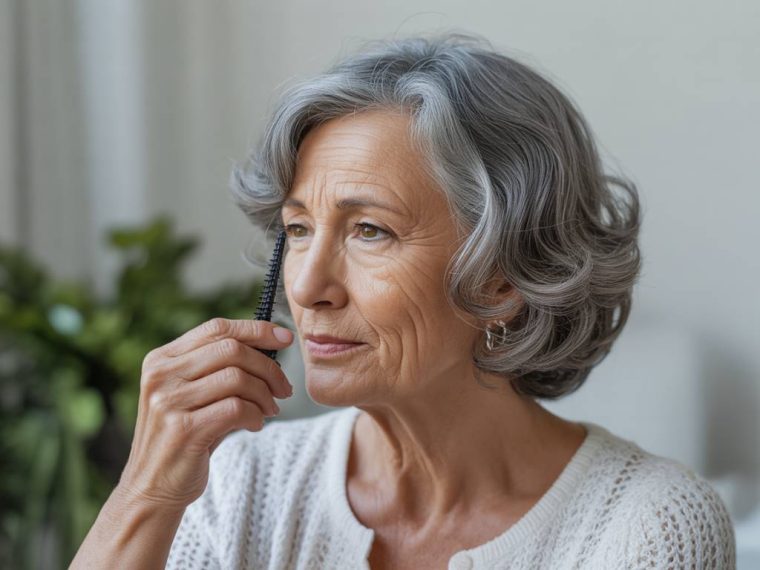
It often starts subtly. A few more hairs on the pillow, a gentle thinning at the temples, and perhaps, after brushing, the brush seems to hold a little too much of us. For many older women, hair loss comes as an unwelcome surprise — a reminder that time, always gentle but unwavering, is quietly moving on.
Having been married to a woman who wore her silver mane like a crown well into her seventies, I’ve seen firsthand how emotionally taxing it can be to watch one’s hair diminish. But as with many changes that accompany our later years, understanding and guidance offer the gentlest path forward.
In this article, we explore the natural changes behind hair loss in older women and navigate both medical options and natural solutions that can help — all shared with the same compassion and clarity that I offer my dear readers with each conversation along the winding path of ageing.
Why Hair Loss Happens as We Age
Hair follows a natural cycle of growth, rest, and shedding. As we age, this cycle becomes noticeably slower. Hormonal changes in particular — especially the decrease in estrogen and progesterone post-menopause — play a large role in the thinning of hair.
Other contributing factors include:
- Genetics: Female pattern hair loss can be inherited, much like those unforgettable cheekbones or the passion for gardening.
- Nutritional Deficiencies: Low levels of iron, vitamin D, or B-vitamins can quietly sabotage our hair health.
- Stress & Illness: Major surgeries, chronic stress, or illness can send hair into a resting phase — leading to shedding weeks or even months later.
- Medications: Certain medications, including some for blood pressure, arthritis, and depression, may list hair loss as a side effect.
The good news? Understanding the cause is the first and most powerful form of prevention. Mark Twain once wrote, “Wrinkles should merely indicate where the smiles have been.” I’d dare add — and when your hair thins, it needn’t mean your joy has too.
Natural Approaches to Nurture the Scalp and Soul
For those of us who favour gentle remedies — and who perhaps remember Grandmother’s oat and honey poultice — natural treatments can offer both comfort and effectiveness.
A Wise Diet for a Wiser You
Hair, like the rest of us, thrives on nourishment. Here are a few foods that work wonders on follicular health:
- Eggs and Lentils: Packed with biotin and protein, both help strengthen current strands and foster new growth.
- Spinach: Rich in iron, folate, and vitamin C — all vital for healthy locks.
- Fatty Fishes (like salmon): Brimming with omega-3s and vitamin D, supporting hair shine and density.
- Nuts and Seeds: Almonds, walnuts and flaxseeds fuel the scalp with zinc and selenium.
As my late uncle used to say while buttering his rye toast with avocados: “Feed your body gently, and it will treat you kindly.” I’d raise a toast to that — with green tea, of course.
Massage and Mindfulness
Regular scalp massage, especially with natural oils such as coconut, rosemary or argan oil, can promote blood circulation and stimulate hair growth. A few slow minutes at bedtime rubbing nourishing oil into the scalp can become a cherished ritual — calming both follicle and mind.
Why not make it meditative? Breathe deeply, feel the warmth of your fingertips, and whisper a kind thought to yourself as you massage. Often, healing begins not just at the roots of the hair, but the roots of the spirit.
Medical Solutions Worth Considering
While natural remedies are gentle companions, sometimes our hair calls for a little science. Technology and research have expanded marvellously in recent decades, offering several verified options for treating hair loss in older women.
Topical Minoxidil
Widely known under the name Rogaine, this over-the-counter solution is the only FDA-approved topical treatment for female pattern baldness. Applied daily to the scalp, it encourages regrowth and can slow hair loss significantly.
It may take several months to show results – patience is key. I liken it to waiting for spring bulbs to bloom after planting them in October… hope must be nourished, daily, without rush.
Platelet-Rich Plasma (PRP) Therapy
Though somewhat newer and more clinical, PRP uses your own blood’s platelets, injected into the scalp to promote healing and stimulation of follicles. It’s gaining traction, especially among women aged 60 and over seeking fuller scalps without synthetic medications.
Hormonal Treatments
For some women, especially those with significant hormonal imbalances, a healthcare provider may recommend hormonal therapy — such as low-dose birth control pills or anti-androgens like spironolactone. These treatments should always be discussed thoroughly with a doctor, weighing risks versus benefits.
Hair Transplant Surgery
While often associated with male pattern baldness, subtle hair restoration surgeries have become more popular among women too. Performed with great discretion and increasingly natural results, a transplant may be an option worth exploring for those who have exhausted other avenues.
Habits That Support Health — and Confidence
When it comes to preserving or restoring hair, small daily actions can act as little ambassadors of self-care. Here are a few mindful practices that can help you maintain both your hair — and your self-esteem:
- Go easy on styling tools: Excessive heat from dryers or straighteners can weaken hair, much like overbaking a good cake — too much and it crumbles.
- Choose gentle shampoos: Look for sulphate-free, pH-balanced formulas with natural ingredients like aloe vera, tea tree, or chamomile.
- Avoid tight hairstyles: Repeated pulling on the hair can cause something called traction alopecia. Let those locks hang loose and wild from time to time.
- Regular trims: Snipping off dry or split ends keeps hair healthier and prevents breakage.
And perhaps most important: nurture your confidence. A thinner crown doesn’t make you any less radiant. Remember — what matters most is not what grows from the scalp, but what shines from the soul.
When to Seek Professional Guidance
If hair loss feels sudden, or you’re noticing patches rather than general thinning, it’s time to consult with a GP or dermatologist. Medical professionals can help diagnose underlying issues such as thyroid disorders, autoimmune conditions, or iron-deficiency anaemia — all of which are treatable and may be contributing factors.
One woman I met at a book club confided in tears how losing her hair uncovered an undiagnosed thyroid issue. After treatment, not only did her hair regain some volume — so did her energy and sense of joy. Sometimes, the strands speak before the body does.
Crowning Our Golden Years with Grace
Our hair, much like our stories, changes with age. Some days wispier, other days vibrant, always reflective of the life we’ve led. While hair loss can feel like a moment of fading, it can also be an opening — to new routines, to self-care, to discovering strength in self-expression.
Maybe you choose a flattering new haircut, or perhaps a stylish scarf that dances with the wind. Or you simply walk a little taller, knowing that true beauty — at any age — was never about the number of strands, but about how we walk through the world.
To every reader musing over the mirror: you are not alone. And this journey, like many others in our later years, does not diminish you — it simply asks for patience, compassion, and, just maybe, a new shade of lipstick.
Here’s to every silver thread, each one a whisper of moments lived, loved, and still to come.