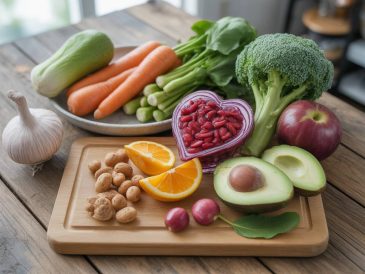
As the seasons of life gently roll on, our needs – just like the world around us – evolve. One of the most subtle but significant areas where change quietly sets in is nutrition. The foods we once ate without a second thought may now play a different role in keeping us vibrant, steady on our feet, and mentally sharp. Yes, nutrition in our later years is not about restriction or fad diets, but about gentle, thoughtful nourishment. And that, dear reader, can be a wonderful journey in itself.
Why Nutrition Needs Shift with Age
When I was in my forties, a full English breakfast every Saturday was almost sacred. Now, in my seventies, I’ve replaced the sausages and fried bread with scrambled eggs, grilled tomatoes and a slice of wholemeal toast. Just as we trade in fast cars for something more comfortable, our bodies, too, start requesting a different kind of fuel.
As we age, our metabolism naturally slows, our muscle mass can begin to decline, and our digestive systems may not absorb nutrients as efficiently. Add to that a reduced sense of thirst – many older adults aren’t drinking enough water without realising it – and it becomes clear: what we eat matters more than ever.
The Cornerstones of a Healthy Senior Diet
The good news? A nourishing and enjoyable diet is entirely within reach. The key lies in focusing on balance, variety and nutrient density. Here’s what that looks like day-to-day:
- Protein: Essential to maintaining muscle mass and strength. Opt for lean sources like chicken, turkey, eggs, beans, lentils, and oily fish such as salmon or mackerel, which also provide heart-friendly omega-3s.
- Calcium and Vitamin D: Crucial for keeping our bones strong and reducing the risk of fractures. Think dairy products, leafy greens, fortified plant milks, and – if the British sun is shy – a bit of supplementation as advised by your GP.
- Fibre: Often overlooked, fibre supports digestion and helps manage cholesterol and blood sugar levels. Whole grains, vegetables, fruits, nuts and seeds are great friendly companions at the table.
- Hydration: As I mentioned, our sense of thirst can become a little lazy. Keep a glass of water nearby throughout the day, and remember that soups, herbal teas, and juicy fruits like melons all contribute to hydration.
The Power of Colour on Your Plate
Have you ever marvelled at the beauty of a fresh garden salad or a fruit platter brimming with berries? Beyond aesthetics, colourful meals indicate a rich diversity in vitamins and antioxidants. Each shade offers its own benefit:
- Red: Tomatoes, red peppers and strawberries support heart health and may protect against certain cancers.
- Green: Leafy greens are packed with folate, fibre and iron. They’re also a friend to anyone watching their weight.
- Orange & Yellow: Carrots and squash are rich in beta-carotene, vital for eye health.
- Purple & Blue: Blueberries and aubergines bring anthocyanins – powerful allies in brain ageing.
In short: the more colours you invite to your plate, the better the banquet for your body. It’s like having a painter’s palette on your plate – and who says meals can’t be artful?
Minding the Mind: Nutrition for Cognitive Health
My grandmother lived to the age of 97, sharp as a tack until the very end. Her secret? She swore by her bowl of oats and walnuts each morning, steeped in milk and love. More than just folklore, modern research supports her instincts. Certain foods seem to support brain health and memory:
- Fatty fish – Rich in EPA and DHA, omega-3 fatty acids that are vital to brain function.
- Berries – Especially blueberries, packed with antioxidants that ward off oxidative stress in the brain.
- Nuts and seeds – Including walnuts, which resemble little brains for a reason! They’re full of vitamin E and healthy fats.
- Whole grains – Steady energy release ensures your brain gets a consistent supply of glucose.
While no food is a magical elixir, these staples, woven into your diet regularly, are a wonderful way to care for your cognitive wellbeing.
Common Challenges & Simple Solutions
Many older adults face obstacles that make good nutrition a bit more complicated. Whether it’s reduced appetite, difficulty chewing, or budget constraints, challenges happen. The silver lining? With a few tweaks, they’re often conquerable.
- Loss of appetite: Opt for smaller, more frequent meals. Add herbs and spices to awaken the taste buds.
- Dental issues: Choose softer foods like soups, stews, scrambled eggs, and smoothies that don’t sacrifice nutrition.
- Cooking for one: Batch cook and freeze portions. Prepared doesn’t have to mean processed.
- Limited income: Frozen vegetables, canned beans, and generic brands can be just as nutritious as fresh, without the premium price.
And remember, reaching out is not a weakness. Community programmes, local councils, and even faith groups often offer meal services or assistance – sometimes all it takes is asking.
Rediscovering the Joy of Eating
Let’s not forget, food is more than fuel. It’s tradition, comfort, joy. One of my dearest friends, Enid, hosts a “soup night” every other Friday. Anyone in her circle knows they’re welcome. Over lentil soup and crusty bread, we share laughs, stories, sometimes even confessions. It’s those moments that truly nourish the soul.
If mealtime feels more like a chore than pleasure, consider these gentle steps:
- Eat with others when you can – sharing a meal doubles the satisfaction.
- Keep the table inviting – a placemat, a candle, or a favourite mug can do wonders.
- Explore new recipes or nostalgic dishes – nothing beats the scent of a childhood favourite in the air.
Supplements: Help or Hype?
Supplements can be helpful, particularly if a doctor flags up a deficiency. Vitamin D, for example, is often recommended, especially during the long winter months. But they’re just that – a supplement, not a substitute for real, wholesome food.
Before stocking your cupboard like a mini pharmacy, have a chat with your GP or a registered dietitian. Too much of certain vitamins can do more harm than good, especially when paired with medications.
A Gentle Invitation
Ageing gracefully doesn’t mean giving up the pleasures of the table. On the contrary – it’s an opportunity to savour, to choose with love, and to nourish not just our bodies, but our memories, our connections, our joys.
So the next time you sit down for lunch or open the fridge, think of it as an act of self-care. Ask yourself: Is this food supporting the life I want to lead? Am I feeding my strength, my heart, my curiosity?
From my kitchen to yours, may every bite be a step toward a vibrant, fulfilling chapter of life. Bon appétit – and don’t forget to dim the lights and put on your favourite music. After all, even Tuesday evening dinners deserve a touch of magic.