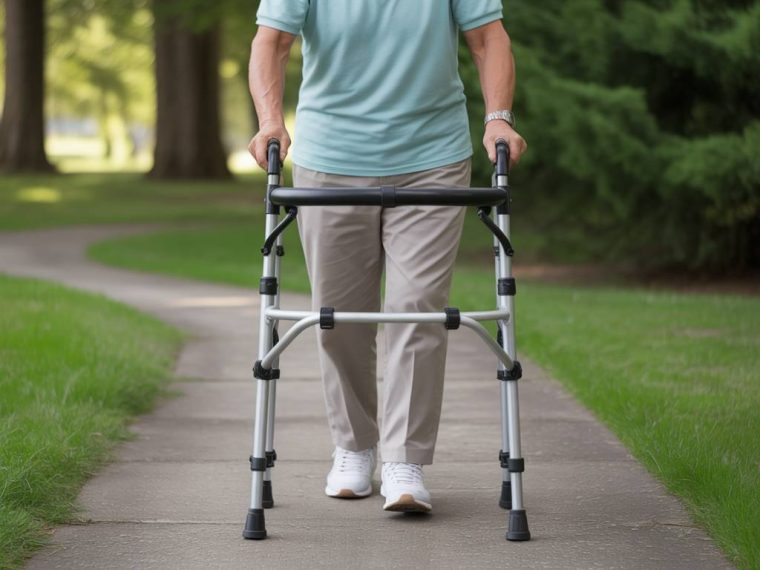
Choosing the right walking aid can make a profound difference in a senior’s daily life. The right device can reduce the risk of falls, ease pain, support better posture, and restore confidence when moving around at home, outdoors, or in social settings. But with so many options available, it is not always easy to know which aid is best. A cane may be perfect for one person, while a rollator, walker, or even a transport chair may be more suitable for another.
Understanding the key differences between walking aids, the level of support they provide, and the lifestyle of the person using them is essential. A good choice should do more than assist with movement. It should fit the user’s strength, balance, height, environment, and daily routine. It should also feel comfortable enough to use consistently, because even the most advanced mobility device is only helpful if it is used properly and regularly.
Why the Right Walking Aid Matters
Mobility challenges can arise from a wide range of conditions, including arthritis, muscle weakness, poor balance, neurological conditions, recovery after surgery, and general age-related decline. When walking becomes harder, seniors may begin limiting their activity, which can lead to weaker muscles, decreased endurance, and reduced independence. In some cases, fear of falling becomes as limiting as the physical condition itself.
The right walking aid supports safer movement while helping preserve dignity and autonomy. It can allow someone to continue shopping, visiting friends, moving around the house more safely, or simply standing for longer without discomfort. In other words, the right device is not just about support; it is about maintaining quality of life.
On the other hand, an ill-suited aid can create new problems. A cane that does not provide enough support may increase fall risk. A walker that is too heavy may be difficult to lift and maneuver. A rollator with poor brakes or the wrong handle height may be unsafe or uncomfortable. That is why a thoughtful selection process matters so much.
Common Types of Walking Aids
Before choosing a device, it helps to understand the main categories and what each one is designed to do.
Assess the Level of Support Needed
The first step in choosing the right aid is determining how much support the user actually needs. Someone with mild balance issues may only require a cane, while a person who feels unsteady when turning, standing up, or walking on uneven ground may need a walker or rollator. A senior who tires easily but can still walk independently might benefit from a rollator with a seat for rest breaks.
It is also important to consider whether the issue is balance, strength, endurance, pain, or a combination of all four. A cane may help with mild instability, but it will not significantly reduce the effort required to walk. A walker can provide more stability and reduce pressure on the lower body. A rollator can help with longer outings, but it requires the user to control the device with the brakes and may not suit someone who has severe balance problems or difficulty coordinating movement.
If the person is unsure, a healthcare professional such as a physical therapist, occupational therapist, or physician can evaluate gait, posture, and fall risk. Their guidance is especially valuable when the senior has had recent falls, surgery, or a diagnosis affecting mobility.
Match the Aid to the User’s Strength and Coordination
A walking aid should match the user’s physical abilities, not just their need for support. For example, a standard walker offers excellent stability but requires the user to lift or shift it repeatedly. For someone with weak arms, shoulder pain, or limited coordination, that may be difficult. A rollator may be easier to move, but the user must be able to manage hand brakes and maintain control while turning or sitting down.
Similarly, a cane is simple to carry and use, but it only helps if the person has enough lower-body strength to bear most of their weight independently. If a senior leans too heavily on a cane when they need stronger support, the device may not prevent a fall.
The right question is not “Which aid is best in general?” but “Which aid can this person use safely and consistently?”
Consider Where the Walking Aid Will Be Used
Daily environments matter. A device that works well on smooth indoor floors may be awkward on gravel paths, thick carpets, steps, or narrow hallways. Someone who mostly moves around a small apartment has different needs from someone who walks through large public spaces or travels frequently.
For indoor use, a lightweight cane or walker may be enough, especially if the home has tight corners and limited storage space. For outdoor use, larger wheels, stronger brakes, and a more stable frame may be important. Rollators are often preferred for neighborhood walks or shopping because they offer mobility and a place to rest. However, they may be less practical in crowded rooms or homes with many obstacles.
It is also worth considering transportation. Can the aid be folded easily? Will it fit in a car trunk? Is it light enough for a caregiver or family member to lift? These practical details often determine whether a device is truly useful in daily life.
Pay Attention to Fit and Height Adjustment
Proper fit is one of the most overlooked aspects of choosing a walking aid. A device that is too tall or too short can cause poor posture, wrist strain, shoulder pain, and unsafe movement patterns. Seniors may compensate by leaning forward, slouching, or placing weight incorrectly, which can increase fatigue and instability.
When standing upright with arms relaxed at the sides, the handle of a cane or walker should generally align with the wrist crease. This position usually allows for a slight bend at the elbow while gripping the device. The goal is to support natural posture rather than forcing the user to hunch over or reach upward.
Many walking aids are adjustable, but adjustment alone is not enough. The person should test the device while wearing their usual shoes and walk a short distance to see whether the height feels natural and secure. If available, professional fitting is ideal, especially for seniors who are frail or recovering from injury.
Look at Stability, Weight, and Ease of Use
Stability is critical. A walking aid should feel dependable on different surfaces and during changes in direction. Heavier devices can sometimes feel more stable, but they may also be harder to lift or maneuver. Lightweight models are easier to handle but may not suit everyone, particularly if the user needs maximum support.
Ease of use includes more than just movement. Consider the comfort of the grips, the simplicity of folding mechanisms, the responsiveness of brakes, and whether the user can operate the device without assistance. Arthritis in the hands can make tight grips or stiff brakes difficult. Weakness in the upper body can make lifting or steering challenging.
If the user has any cognitive impairment, simplicity becomes even more important. A straightforward device with fewer features may be safer than a more complex model that requires multiple adjustments or brake techniques.
Think About Comfort and Confidence
Comfort affects whether a walking aid will actually be used. If the handles hurt the hands, the frame feels awkward, or the device makes the user feel self-conscious, they may avoid using it. That can increase fall risk and reduce independence.
Some seniors also need emotional reassurance. Accepting a walking aid can feel like a major life change, especially for someone who has always valued independence. A well-chosen device can help restore confidence by making movement feel less frightening and more predictable. In many cases, the psychological benefit is just as important as the physical one.
It can help to frame the aid as a tool for freedom rather than a symbol of decline. The right device enables the senior to keep doing more of what matters to them.
Features Worth Considering Before Buying
Modern walking aids often come with features that improve convenience and safety. Not every feature is necessary, but some may be very helpful depending on the user’s needs.
Avoiding Common Mistakes
One of the most common mistakes is choosing a device based on appearance or price alone. A stylish cane or a budget-friendly walker may seem appealing, but safety and suitability should come first. Another common issue is buying a walking aid without proper measurement or guidance. Even small differences in height or weight capacity can affect performance and safety.
It is also a mistake to assume that more support is always better. A device that is too bulky or restrictive can slow the user down and make daily life harder. In some cases, too much support can even discourage movement, which is counterproductive. The goal is to find the least restrictive device that still provides enough safety.
Finally, do not forget maintenance. Rubber tips wear out, brakes loosen, and wheels can collect dirt or debris. A walking aid should be checked regularly to ensure it remains safe and effective.
When to Seek Professional Advice
Professional input is especially important if the senior has experienced repeated falls, dizziness, new weakness, pain while walking, or a sudden decline in mobility. A healthcare provider can identify whether the issue is temporary or ongoing and may recommend a specific type of aid. Occupational therapists can also assess the home environment and suggest changes such as removing trip hazards, improving lighting, or widening pathways.
For seniors with progressive conditions, the right aid may change over time. A cane may be appropriate now, but a walker or rollator may be needed later. Regular reassessment helps ensure the device continues to meet the person’s current needs.
Choosing the right walking aid is about more than purchasing a product. It is about understanding the senior’s abilities, routines, goals, and environment, then selecting a device that supports safe and confident movement. With the right fit, the right features, and the right level of support, a walking aid can become a powerful tool for preserving mobility, independence, and everyday peace of mind.