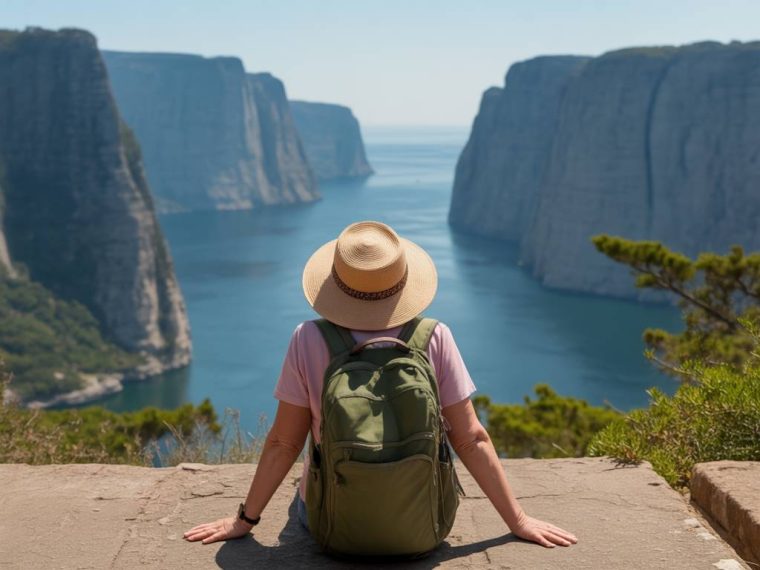
Traveling alone later in life can be one of the most rewarding experiences you’ll ever have. You set the pace, choose the destinations that truly interest you, and rediscover parts of yourself that may have been overshadowed by work and family responsibilities. Yet, solo travel as a senior also raises valid questions: Is it safe? Will I feel lonely? How do I handle health issues or mobility concerns on the road?
This guide offers practical safety tips and confidence-boosting strategies so you can explore the world alone with more peace of mind and genuine excitement.
Why Solo Travel Can Be Especially Powerful After 60
Solo travel in later life isn’t about “proving” anything. It’s about creating space for curiosity, reflection, and joy. Many seniors report that traveling alone brings unexpected benefits:
- Freedom to design your own itinerary: No negotiating with companions about museums versus markets, early mornings versus slow starts.
- Chance to reconnect with personal interests: Art, history, nature, wellness retreats, culinary tours—your schedule can match your passions.
- Boost in self-confidence: Navigating a new city on your own, even with small steps, reinforces your sense of competence and independence.
- New social connections on your terms: You choose when to chat with fellow travelers, locals, or tour companions, and when to enjoy quiet time.
Understanding these benefits makes it easier to invest time in planning and safety measures that protect your health, finances, and peace of mind.
Planning with Safety in Mind from the Start
Safe solo travel begins at home, long before you step on a plane or train. A bit of preparation dramatically reduces risks and anxiety.
Choose destinations that match your comfort level
If this is your first solo trip in years—or ever—start with places known for being senior-friendly and easy to navigate. Look for:
- Good public transport or reasonably priced taxis/ride-shares
- Stable political situation and low crime rates in tourist areas
- English-speaking support (tourist information centers, hotels, clinics)
- Accessible attractions and accommodations suited to your mobility level
Tourist boards, travel forums, and senior travel blogs can provide up-to-date impressions of safety and accessibility in specific cities or regions.
Share your itinerary and key documents
Before you leave, give a trusted friend or family member:
- A copy of your passport and ID
- Your flight and train details
- Hotel names, addresses, and phone numbers
- Emergency contact information for your destination (embassy, consulate, hospital)
Consider using a secure cloud folder or password manager to store copies of important documents. That way, if your bag or passport is stolen, you can access everything from any device.
Health and Medication: Creating a Safety Net
For seniors, health planning is just as important as booking the right hotel. A few simple steps can make a big difference if you fall ill far from home.
Consult your doctor before you book
Schedule a pre-trip check-up, especially if you have chronic conditions such as heart disease, diabetes, or respiratory issues. Discuss:
- Whether your chosen destination and activities are realistic for your health and fitness level
- Necessary vaccinations and medications (including for altitude or motion sickness)
- How to manage time zone changes with medications taken at fixed hours
Pack medications strategically
Bring more medication than you need, ideally a week’s extra supply, divided between your carry-on and a small day bag in case your luggage is delayed. Use a clearly labeled pill organizer and carry a printed list of:
- All your medications and dosages
- Generic names (in case brands differ in other countries)
- Allergies and significant medical history
- Your doctor’s contact information
A compact travel first-aid kit—containing pain relievers, antiseptic wipes, bandages, anti-diarrheal medication, and any personal essentials—can save you uncomfortable outings to pharmacies when you’re not feeling well.
Know how to access medical care abroad
Research hospitals and clinics near your accommodation before leaving. Many senior travelers also choose travel insurance that covers pre-existing conditions, emergency medical care, evacuation if needed, and assistance lines you can call 24/7. This can be especially valuable if you travel alone and need a professional to help coordinate care.
Staying Safe on the Road: Practical Everyday Habits
Once you arrive, your day-to-day choices play a major role in your safety. Small, consistent habits are more effective than stressing over worst-case scenarios.
Blend in as much as possible
Tourists stand out, but you can avoid drawing unnecessary attention:
- Avoid flashing expensive jewelry, watches, or cameras.
- Use a simple crossbody bag or money belt under your clothing for passports and major cards.
- Keep small amounts of cash easily accessible so you’re not constantly digging into hidden pockets in public.
Be smart with your smartphone
Your phone is your map, translator, flashlight, and emergency call button. Keep it secure, but accessible:
- Use a sturdy case and a lanyard or wrist strap to prevent drops and snatch theft.
- Download offline maps of your destinations in advance.
- Enable “Find My Phone” or similar tracking, and ensure a trusted contact can access your account if needed.
Trust your instincts in unfamiliar situations
If a street feels too deserted, if someone is pressuring you to go somewhere, or if an offer seems “too good to be true,” step back. Say you have an appointment, need to call your hotel, or simply walk into the nearest café, shop, or hotel lobby where other people are present.
Confidence-Boosting Strategies for First-Time Solo Senior Travelers
Safety is one side of the coin; the other is confidence. Even seasoned travelers can feel apprehensive about exploring alone later in life. Here are ways to build comfort gradually.
Start with a “soft launch” solo trip
Before flying across the world, consider:
- A two- or three-night stay in a nearby city or coastal town
- A solo rail trip within your country
- A short, guided city break where you have plenty of free time but a group available if you want company
This allows you to practice packing light, using navigation apps, eating alone in restaurants, and managing mild travel stress in a familiar cultural environment.
Join day tours and local experiences
Solo doesn’t have to mean isolated. Joining small group activities can provide social interaction and support while leaving you in charge of your overall trip:
- Walking tours or museum tours tailored for older adults
- Cooking classes, wine tastings, or craft workshops
- Boat excursions, nature walks, or birdwatching outings with guides
This structure makes it easier to meet people—both locals and fellow travelers—without committing to traveling together full time.
Practice “social scripts” in advance
If you worry about what to say when eating alone or joining a tour, it can help to prepare simple phrases ahead of time, such as:
- “Is this seat taken?” for cafés and communal tables.
- “Have you done any other tours in this city that you’d recommend?” when chatting with fellow travelers.
- “I’m traveling alone, so I like to plan a bit more—do you have any suggestions for safe evening activities?” when speaking to hotel staff.
Having these ready can reduce anxiety and open the door to friendly, low-pressure conversations.
Technology and Tools That Support Safe, Confident Travel
Thoughtfully chosen travel gear and apps can make solo trips easier and safer, especially if you have mobility, hearing, or vision considerations.
Consider helpful travel accessories
Many seniors find these items particularly useful:
- Lightweight rolling suitcase and small daypack: Reduces strain on joints and makes walking through stations or airports easier.
- Money belt or hidden pouch: Keeps passports and main bank cards under clothing, away from pickpockets.
- Collapsible walking cane or trekking poles: Can ease pressure on knees and hips during city walks or nature trails.
- Anti-theft bag: With locking zippers and slash-resistant straps to deter opportunistic theft.
- Comfortable, supportive walking shoes: Perhaps the most important “safety tool” you’ll bring, reducing fatigue and the risk of falls.
Use apps as your silent travel companions
Depending on your comfort with technology, consider:
- Navigation apps: With offline map options so you’re never reliant on Wi-Fi.
- Translation apps: Useful for reading menus, signs, or asking for directions in local languages.
- Health apps or wearables: To monitor steps, heart rate, sleep, or medication reminders while away from home routines.
- Communication apps: So you can easily call or video-chat with family, send your location, or share updates.
Before you leave, practice using these tools at home—navigate to a nearby park, translate a recipe, or video-call a friend. Familiarity will make you more confident using them in a new environment.
Managing Loneliness and Emotional Well-Being on the Road
Even the most independent travelers can feel lonely sometimes, especially in the evenings or on longer trips. Anticipating this doesn’t mean you shouldn’t travel—it simply means you’re realistic and prepared.
Create touchpoints with home
Schedule regular check-ins with family or friends, whether daily or every few days. Knowing you’ll share your stories and photos can become something you look forward to, and loved ones will feel reassured as well.
Build gentle routines in unfamiliar places
Routines anchor you. You might decide that every morning you’ll visit the same café, walk in the same park, or write in your journal. Familiar faces—the barista who remembers your order, the hotel receptionist who asks about your day—create a sense of continuity.
Allow quiet days without guilt
One of the joys of traveling later in life is not having to rush. If you wake up tired or overwhelmed, give yourself permission to take a slower day: read on a terrace, enjoy a long lunch, or visit just one museum instead of three. Listening to your body not only keeps you safer, it reminds you that this journey is yours to shape.
Embracing the Adventure at Your Own Pace
Solo travel for seniors is not about age denial; it’s about age empowerment. It recognizes that your experiences, resilience, and self-knowledge are assets on the road. With thoughtful planning, honest assessment of your needs, and a few practical safety measures, you can discover new cities, foods, cultures, and friendships with confidence.
Start with a destination that excites you but doesn’t feel overwhelming, build in rest days, lean on technology and travel tools that support your comfort, and stay open to small, everyday adventures. The world is still full of places to explore—and you are allowed to explore them on your own terms.